EDITOR BOARD MEMBERS :  VIEW ALL

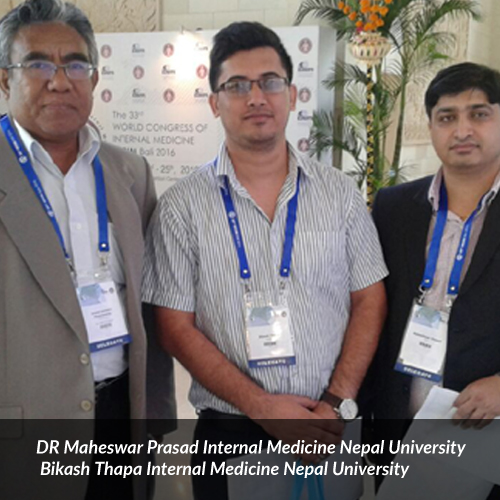
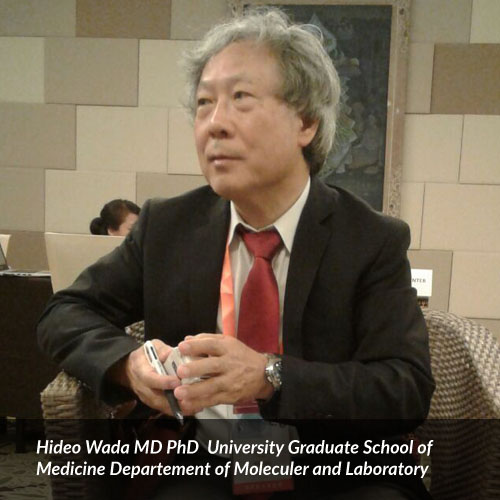
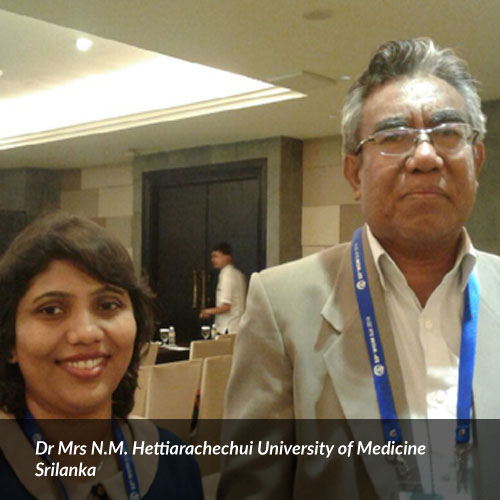
Dr Bikasih Thapa & Dr Maheswar Prasad (Nepal) - Hideo Wada MD PhD (japan) - Dr a Lavra Castrocatesana (Mexico) - Dr Mrs N.M. Hettiarachechui (Srilanka) - Dr Jorge Aldrete Velasco (Mexico) - Prof Hans Peter Kohler (Switzerland) - Dr Hermanus Suhartono S Sp.OG(K) PhD - Dr Isabel Pinheiro (Portugal) - Dr Suranga (Srilanka) - Jovia Dino Jansen Amsterdam,Holand - Hideo Wada MD PhD University Graduate School of Medicine Departement of Moleculer and Laboratory Medicine Japan - DR Bikash Thapa Internal Medicine Nepal University - DR Maheswar Prasad Internal Medicine Nepal University - Dr a Lavra Castro Castresana Colegio de Medicina interna de Mexico - Dr Suransa Manilgama University of Srilanka Internal Departement Medicine - Dr Mrs N.M. Hettiarachechui University of Medicine Srilanka - Dr Jorge Aldrete Velaso .Colegio de Medicina Interna de Mexico - Prof Hans Peter Kholer M.D FACD Profesor of Medicine University ot Switzerland - Dr Ramezan Ali Atace . Baqiyatallah University of Medical Sciences Departement of Micrology Tehran Iran - Ezekiel Wong Toh Yoon Dr. Gastroenterology of Japan - D Eric Beck,MD Bethesda Hospital Capitol Boelevard St Paul USA - Dr Emine Guderen Sahin Istambul University of Internal Medicine Turky - Dr Selmin Toplan Istambul University - Dr Nicholas New Australia - Dr Kughan Govinden. Tropical Infection of Internal Medicine Malaysia - Dr Godfrey M Rwegerera Princes Marina Hospital Bostwana -

Title : Smart Helmet with Rider Safety System

Author : MOHARLA ADINARAYANA RAJU, VARDIREDDY VISWESWARA REDDY, K. PAVAN KUMAR REDDY

Abstract :

When a biker doesn't wear a helmet and gets into an accident at high speed, the impact may be deadly. Protecting one's brain from potentially fatal blows is as simple as donning a helmet. Malaysia is one of the nations that has passed legislation mandating motorcyclists wear protective headgear. Riding a motorbike is now safer than ever before thanks to a novel concept: a smart helmet. This is put into action by use of GSM and GPS systems. This intelligent helmet's operation is straightforward: vibration sensors, linked to a microcontroller board, are positioned in various parts of the helmet depending on the likelihood of impact.As a result, the sensors detect when the rider's helmet hits the ground and send that information to the microcontrollerboard. From there, the controller pulls GPS data from the connected GPS module. A message is automatically sent to the ambulance or family members via the GSM module when the data exceeds the minimal stress level. Also include

[ PDF ]

Editor Board
Editor in chief

Dr. Arend L Mapanawang, Sp.PD, FINASIM, PhD

Subject Area

Every article submitted to IJHMCR is screened by Turnitin software.

Indexing

PENGUNJUNG KAMI DARI BERBAGAI BELAHAN DUNIA