EDITOR BOARD MEMBERS : VIEW ALL
Statement of Informed Consent
Patients have a right to privacy that should not be violated
without informed consent.
Identifying
information, including names, initials, or hospital numbers, should not be published in
written
descriptions, photographs, or pedigrees unless the information is essential for
scientific purposes
and the patient (or parent or guardian) gives written informed consent for publication.
Informed
consent for this purpose requires that an identifiable patient be shown the manuscript
to be
published. Authors should disclose to these patients whether any potential identifiable
material
might be available via the Internet as well as in print after publication. Patient
consent should be
written and archived with the journal, the authors, or both, as dictated by local
regulations or
laws. Applicable laws vary from locale to locale, and journals should establish
their own
policies with legal guidance. Since a journal that archives the consent will be aware of
patient
identity, some journals may decide that patient confidentiality is better guarded by
having the
author archive the consent and instead providing the journal with a written statement
that attests
that they have received and archived written patient consent.
Nonessential
identifying
details should be omitted. Informed consent should be obtained if there is any doubt
that anonymity
can be maintained. For example, masking the eye region in photographs of patients is
inadequate
protection of anonymity. If identifying characteristics are de-identified, authors
should provide
assurance, and editors should so note, that such changes do not distort scientific
meaning.
The requirement for informed consent should be included in the
journal’s
instructions for authors. When informed consent has been obtained, it should be
indicated in the
published article.
Editor Board
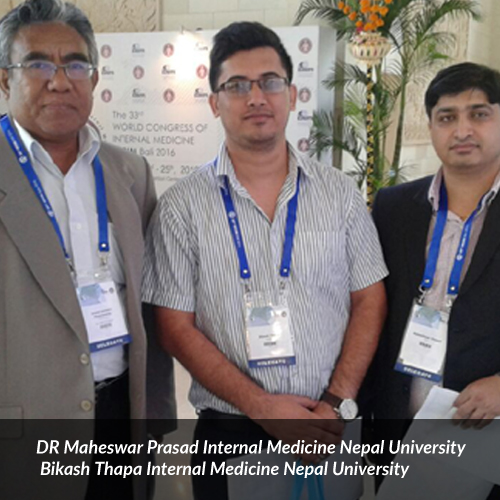
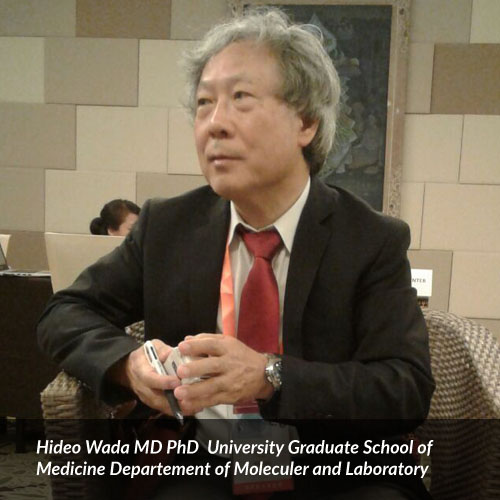
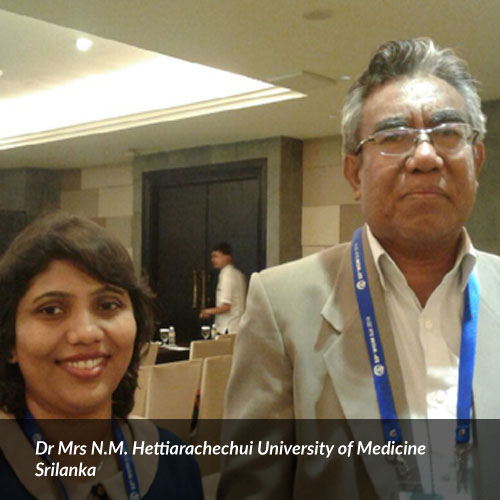
Editor in chief
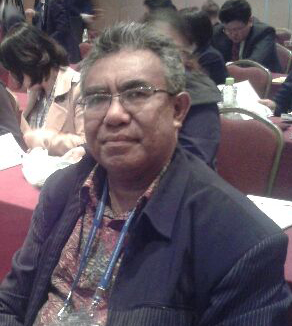
Dr. Arend L Mapanawang, Sp.PD, FINASIM, PhD
Subject Area

Every article submitted to IJHMCR is screened by Turnitin software.

Indexing







PENGUNJUNG KAMI DARI BERBAGAI BELAHAN DUNIA