EDITOR BOARD MEMBERS :  VIEW ALL

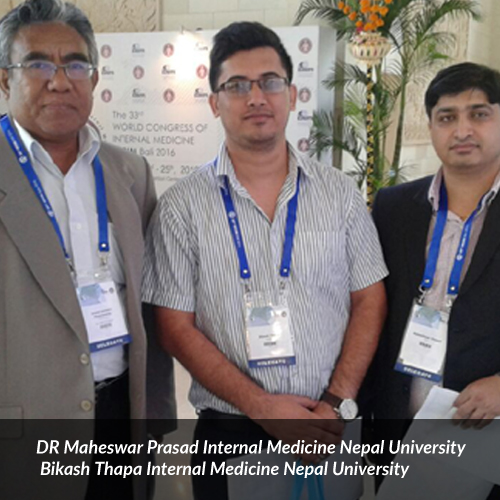
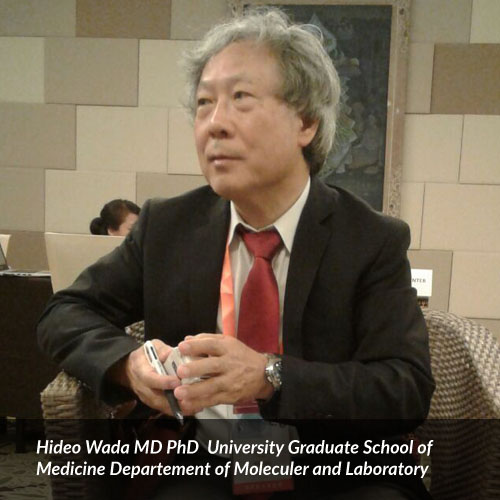
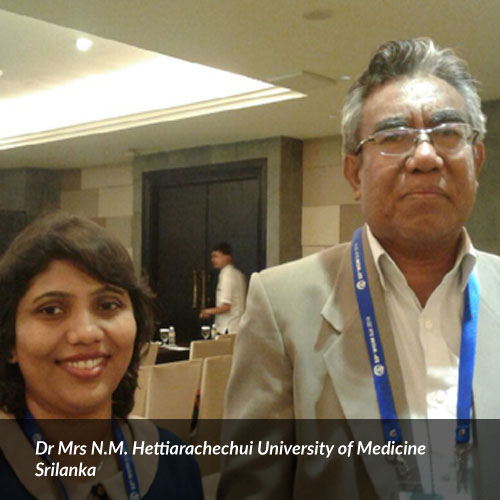
Dr Bikasih Thapa & Dr Maheswar Prasad (Nepal) - Hideo Wada MD PhD (japan) - Dr a Lavra Castrocatesana (Mexico) - Dr Mrs N.M. Hettiarachechui (Srilanka) - Dr Jorge Aldrete Velasco (Mexico) - Prof Hans Peter Kohler (Switzerland) - Dr Hermanus Suhartono S Sp.OG(K) PhD - Dr Isabel Pinheiro (Portugal) - Dr Suranga (Srilanka) - Jovia Dino Jansen Amsterdam,Holand - Hideo Wada MD PhD University Graduate School of Medicine Departement of Moleculer and Laboratory Medicine Japan - DR Bikash Thapa Internal Medicine Nepal University - DR Maheswar Prasad Internal Medicine Nepal University - Dr a Lavra Castro Castresana Colegio de Medicina interna de Mexico - Dr Suransa Manilgama University of Srilanka Internal Departement Medicine - Dr Mrs N.M. Hettiarachechui University of Medicine Srilanka - Dr Jorge Aldrete Velaso .Colegio de Medicina Interna de Mexico - Prof Hans Peter Kholer M.D FACD Profesor of Medicine University ot Switzerland - Dr Ramezan Ali Atace . Baqiyatallah University of Medical Sciences Departement of Micrology Tehran Iran - Ezekiel Wong Toh Yoon Dr. Gastroenterology of Japan - D Eric Beck,MD Bethesda Hospital Capitol Boelevard St Paul USA - Dr Emine Guderen Sahin Istambul University of Internal Medicine Turky - Dr Selmin Toplan Istambul University - Dr Nicholas New Australia - Dr Kughan Govinden. Tropical Infection of Internal Medicine Malaysia - Dr Godfrey M Rwegerera Princes Marina Hospital Bostwana -

Title : Fine-grained two-factor access control for web-based cloud computing services

Author : D SNEHA, D SANKAR, VIJAYA BHASKAR MADGULA

Abstract :

Through the use of the internet and a network of remote servers, organisations may now buy, rent, sell, or distribute software and other digital resources on demand. This model is known as cloud computing. Despite the many advantages of the new cloud computing paradigm, concerns about privacy and security for web-based cloud services persist. A system for controlling access to web-based cloud computing services that uses several factors of authentication is currently in development. The suggested authenticated access control system uses an attribute-based technique for controlling access; this mechanism necessitates the usage of a user secret key in addition to a trusted security key response. The login process is safeguarded by a system that requires a one-time password (OTP), and session keys are used to restrict the length of time a user may work. Since a user can't access the system without the OTP, secret key, and secret key response, the procedure enhances the sys

[ PDF ]

Editor Board
Editor in chief

Dr. Arend L Mapanawang, Sp.PD, FINASIM, PhD

Subject Area

Every article submitted to IJHMCR is screened by Turnitin software.

Indexing

PENGUNJUNG KAMI DARI BERBAGAI BELAHAN DUNIA