EDITOR BOARD MEMBERS :  VIEW ALL

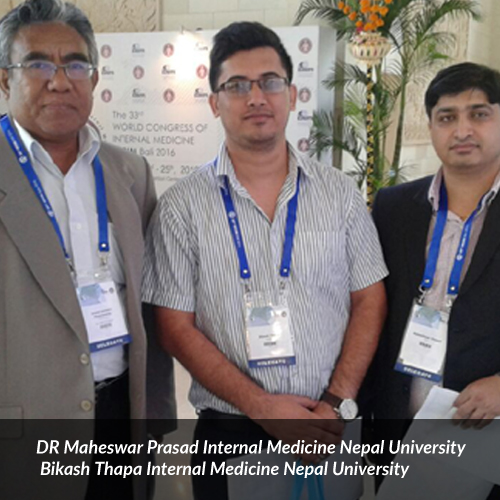
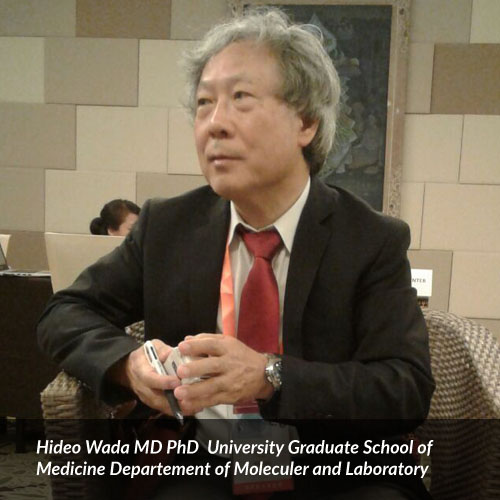
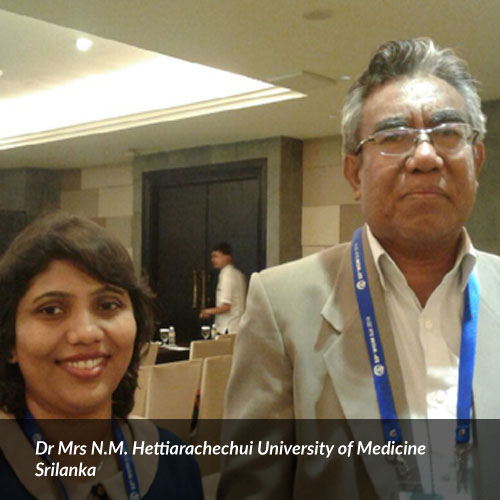
Dr Bikasih Thapa & Dr Maheswar Prasad (Nepal) - Hideo Wada MD PhD (japan) - Dr a Lavra Castrocatesana (Mexico) - Dr Mrs N.M. Hettiarachechui (Srilanka) - Dr Jorge Aldrete Velasco (Mexico) - Prof Hans Peter Kohler (Switzerland) - Dr Hermanus Suhartono S Sp.OG(K) PhD - Dr Isabel Pinheiro (Portugal) - Dr Suranga (Srilanka) - Jovia Dino Jansen Amsterdam,Holand - Hideo Wada MD PhD University Graduate School of Medicine Departement of Moleculer and Laboratory Medicine Japan - DR Bikash Thapa Internal Medicine Nepal University - DR Maheswar Prasad Internal Medicine Nepal University - Dr a Lavra Castro Castresana Colegio de Medicina interna de Mexico - Dr Suransa Manilgama University of Srilanka Internal Departement Medicine - Dr Mrs N.M. Hettiarachechui University of Medicine Srilanka - Dr Jorge Aldrete Velaso .Colegio de Medicina Interna de Mexico - Prof Hans Peter Kholer M.D FACD Profesor of Medicine University ot Switzerland - Dr Ramezan Ali Atace . Baqiyatallah University of Medical Sciences Departement of Micrology Tehran Iran - Ezekiel Wong Toh Yoon Dr. Gastroenterology of Japan - D Eric Beck,MD Bethesda Hospital Capitol Boelevard St Paul USA - Dr Emine Guderen Sahin Istambul University of Internal Medicine Turky - Dr Selmin Toplan Istambul University - Dr Nicholas New Australia - Dr Kughan Govinden. Tropical Infection of Internal Medicine Malaysia - Dr Godfrey M Rwegerera Princes Marina Hospital Bostwana -

Title : Machine learning based Diabetics classification and prediction

Author : SIRIKONDA ANANTHNAG, MANGALI ANIL KUMAR, VIJAYA BHASKAR MADGULA

Abstract :

An excess of glucose in the bloodstream leads to the disease known as diabetes. Ignoring diabetes for an extended period of time may lead to serious complications, including but not limited to: renal disease, high blood pressure, vision loss, and heart difficulties. When caught early enough, diabetes is manageable. In order to accomplish this goal, our organisation will use a variety of machine learning approaches to improve the accuracy of early diabetes predictions in human or patient settings. By constructing models from patient data sets, machine learning approaches provide a stronger foundation for prediction. In this study, we will use the dataset to forecast the occurrence of diabetes by using clustering and classification algorithms from machine learning. These include Random Forest (RF), Gradient Boost (GB), K-Nearest Neighbour (KNN), Decision Tree (DT), and Logistic Regression (LR). When comparing several models, accuracy may vary significantly. Based on the r

[ PDF ]

Editor Board
Editor in chief

Dr. Arend L Mapanawang, Sp.PD, FINASIM, PhD

Subject Area

Every article submitted to IJHMCR is screened by Turnitin software.

Indexing

PENGUNJUNG KAMI DARI BERBAGAI BELAHAN DUNIA